You can absolutely find affordable storage in Victoria. You just can’t shop for it the way people shop for, say, a new toaster. Storage pricing is a moving target: promos come and go, fees pop up in the fine print, and the “cheap” unit sometimes becomes the expensive one the moment you add required insurance and an admin fee.
Here’s the plan I use (and it’s saved me money more than once): figure out what you’re storing, how often you’ll touch it, and what risks you’re actually worried about. Then you buy only the protection and access you need. Nothing more.
One-line reality check: the smallest unit that works is usually the best deal.
So what storage options do you actually have in Victoria?
Victoria’s market looks like most mid-size Texas cities: traditional self-storage dominates, with climate-controlled buildings sprinkled in, plus a few “we’ll bring the box to you” container services depending on availability—such as 3n1 storage victoria tx.
Main categories you’ll run into:
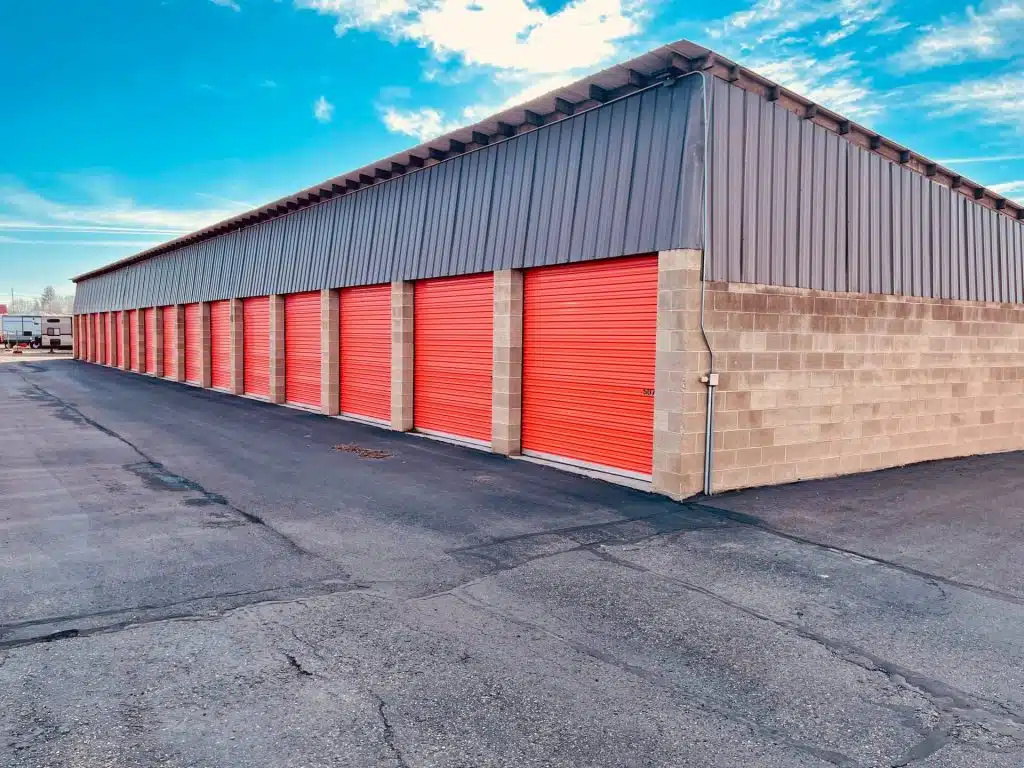
– Standard self-storage (non-climate): typically the lowest monthly price, best for garage-type items, tools, patio furniture, and stuff that can handle heat and humidity.
– Climate-controlled units: higher monthly rent, better for paper, photos, electronics, instruments, leather, and anything you don’t want slowly warping or mildewing.
– Drive-up access units: technically a feature, but it changes your experience. If you’re loading heavy items, drive-up can be worth paying a little more.
– Portable storage containers (delivered): convenient for moves/renovations, sometimes pricey for long storage durations because delivery and pickup are built into the model.
– Month-to-month arrangements: common, and honestly ideal if you’re trying not to get trapped while rates climb.
Some facilities will also sell you locks, boxes, tape, and padding on-site. That can be helpful… or it can be a sneaky way to upsell you $18 worth of tape for $38. Price-check it.
Hot take: climate control is overbought (and underbought)
People either pay for climate control when they don’t need it, or skip it and regret it when their boxes come out smelling like a swamp.
Here’s the thing: Victoria is hot and humid. That combo is rough on certain materials. If you’re storing any of the following, I lean climate control:
– documents, books, photos
– electronics, TVs, speakers
– mattresses and upholstered furniture
– musical instruments
– collectibles that hate moisture (cards, comics, some vintage décor)
If it’s mostly metal, plastic, yard equipment, or “I don’t care if it gets ugly,” save the money.
A quick, nerdy data point: the U.S. EPA notes that relative humidity above 60% can support mold growth in buildings and on materials under the right conditions (EPA guidance on mold and moisture). That’s the risk climate control is solving: steady temperature and lower humidity.
The money part: compare total cost, not the sticker price
Most storage “deals” fall apart when you add the extras. When you call around in Victoria, don’t ask “what’s your rate?” and hang up. Ask for the full monthly and move-in number.
Look for these common add-ons:
– Admin/setup fee
– Lock purchase requirement
– Mandatory insurance (sometimes you can use your own policy, sometimes you can’t)
– Deposits
– Late fees and auction timelines (this varies wildly)
Now, this won’t apply to everyone, but if you’re price-sensitive, the best question is: “What will my first month cost, out the door, including every required fee?” It forces honesty.
One more thing: promotions are often real, but temporary. A “$1 first month” can be fine… if month two doesn’t jump 35%.
Self-storage vs climate-controlled vs portable containers (tradeoffs without the fluff)
Sometimes a neat chart helps. Not always. Here, it does.
| Option |
Usually cheapest? |
Best for |
Common gotcha |
| Standard unit |
Yes |
durable items, short-term overflow |
heat/humidity damage over time |
| Climate-controlled |
No |
anything moisture/heat sensitive |
paying premium for items that don’t need it |
| Portable container |
Depends |
moves, remodels, staging |
long-term rental + delivery fees add up |
In my experience, portable containers shine when you’re moving in phases and want to touch your stuff as little as possible. If you’re just parking boxes for six months, a basic unit wins on price most of the time.
Access, security, and the “don’t pay for vanity features” rule
Security sells. And yes, you want your stuff safe. But you don’t need a storage facility that behaves like Fort Knox if you’re storing patio chairs.
What I’d actually prioritize in Victoria:
Baseline security that’s worth paying for
– gated entry with unique code
– decent lighting
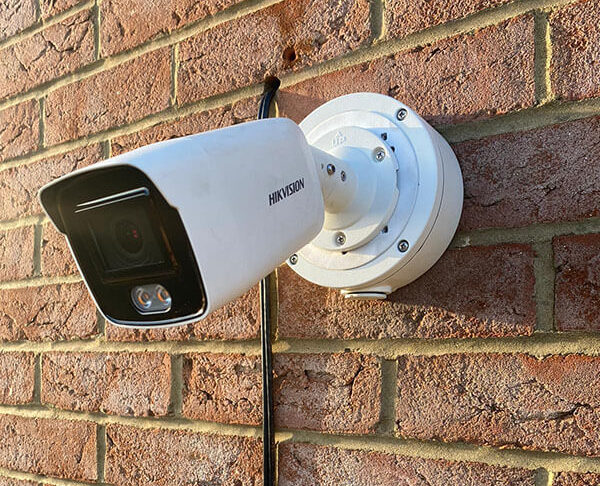
– cameras covering entrances and main lanes
– clean site lines (if it’s cluttered and neglected, that’s a red flag)
Nice-to-have (pay only if you’ll use it)
– extended access hours (great if you work odd shifts)
– indoor loading bays (helpful when it’s raining sideways)
– on-site management (varies, but often a plus)
Look, I’ve toured places that advertised “premium security” and still had broken gate arms and dark corners. Walk the property. Trust your eyes.
Tight budget + short timeline? Consider “storage-on-demand” tactics
If you only need storage briefly, treat it like a short-term logistics problem, not a long-term rental.
A few strategies that work:
– Month-to-month only (avoid long commitments unless the discount is real)
– Right-size immediately: don’t rent a 10×20 because you’re “not sure.” You’ll pay to be unsure.
– Share access needs with the manager: sometimes they’ll steer you to a cheaper unit location (second floor, farther row) that fits your use pattern.
– Avoid paying for 24/7 access if you’ll only go on weekends
And if a place offers daily rates or pro-rated move-in, get it in writing. Verbal promises evaporate fast.
Packing and space: you don’t need fancy gear, you need a system
I’m opinionated here: most people waste money by renting more square footage instead of packing better.
Do this instead (and yes, it’s boring):
– Use uniform boxes/bins so they stack cleanly
– Put heavy items low, light items high
– Leave a narrow “spine” walkway so you’re not unpacking the unit every time
– Label on two sides (front and top works well)
– Use cheap moisture control: silica packs, or a small dehumidifier if the unit supports it
Also: stop storing air. Bag soft items, break down furniture when it makes sense, and don’t keep half-empty boxes.
One-line emphasis, because people ignore it:
An organized 5×10 beats a chaotic 10×10.
Step-by-step: lock in a cheap, reliable unit in Victoria (without the usual headaches)
This is the process I’d follow if I were doing it this week:
- List 5–8 facilities within a reasonable drive (close beats “slightly cheaper” far away, most of the time).
- Call each one and ask for:
– total move-in cost
– total monthly cost
– required fees (admin, lock, insurance)
– access hours (and whether they change seasonally)
- Ask about rate increases (how often, typical amount, and when the last increase happened).
- Tour your top 2–3. Check cleanliness, pests, lighting, gate function, and the general “is anyone actually running this place?” vibe.
- Choose the smallest unit that fits, with climate control only if your inventory demands it.
- Read the lease like you mean it, especially the parts about:
– lien/auction timeline
– late fees
– notice requirements to move out
- Get promos in writing (email receipt or contract line item).
- Reassess after 30 days: if you overbought space, downsize fast. Storage facilities count on inertia.
One odd note: if a facility is leaning hard on random “extras” (decor themes, gimmicky amenities) but the unit doors look beat up, I’d be cautious. Maintenance beats marketing.